Chemlyst Industries Pvt. Ltd. — Engage. Inspire. Thrive.
Process engineer reviewing glass-lined and stainless reactors in a chemical plant

WHY CHEMLYST

A Technical Partner for Manufacturing Decisions

For international customers, selecting a manufacturing partner in India requires a clear understanding of technical suitability, quality responsibilities, process safety, confidentiality and commercial execution.

Chemlyst provides an Indian technical interface for evaluating manufacturing options across partner facilities. We begin with the molecule and its process requirements, then assess potential facilities against equipment, utilities, downstream operations, capacity and project-specific requirements.

The objective is a defined manufacturing arrangement: a suitable facility, an agreed scope, clear responsibilities and a practical route from assessment to production.

Engagement pathway
  1. 1Molecule / process brief
  2. 2Technical screening
  3. 3Candidate facility options
  4. 4Qualification
  5. 5Manufacturing coordination

Engagement pathway — partner facilities are evaluated per project; this is not a single Chemlyst-owned plant.

One technical interface. Multiple potential manufacturing options. A molecule-led assessment process.

Chemlyst is a technical manufacturing partner that assesses a molecule’s requirements, maps potential manufacturing options across a partner network, coordinates facility evaluation and supports the project journey through agreed commercial execution.

Chemlyst does not own or operate all partner facilities. Not every site is pre-qualified for every product. Capacity, technology availability and supply continuity are not guaranteed without project-specific qualification.

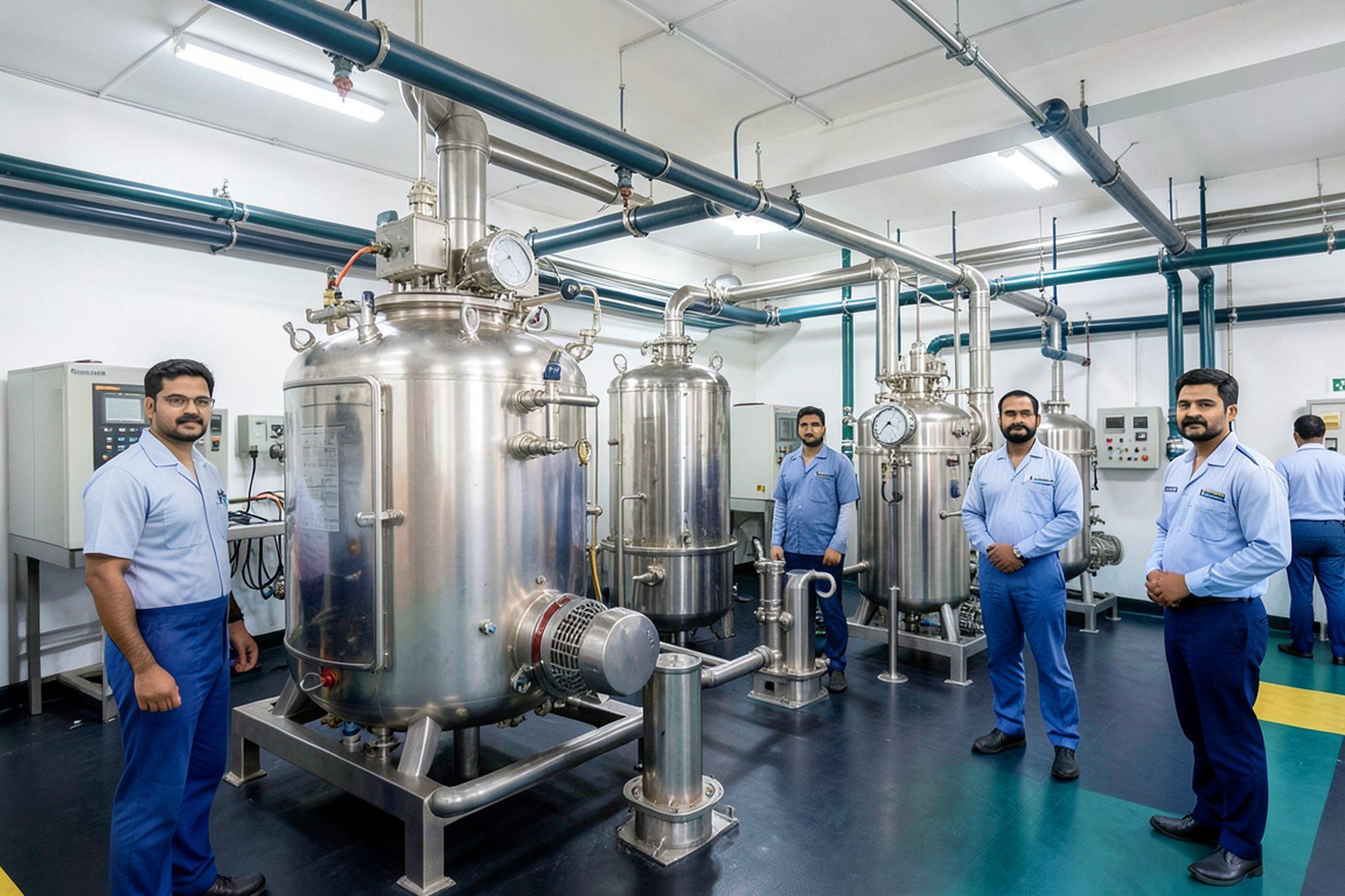
Jacketed stainless reactor, glass-lined vessel, and plant utility headers

More Than Manufacturing Capacity

Selecting a manufacturing partner involves more than finding an available reactor. The molecule, process conditions, equipment and material of construction, downstream operations, utilities, EHS requirements, quality expectations, capacity and commercial model must work together.

Technical assessment matrix

Molecule-led screening criteria used before a facility is proposed.

  • Chemistry
  • Reactor / MOC
  • Operating envelope
  • Separation
  • Utilities
  • EHS
  • Quality
  • Capacity
  • Commercial fit

One Technical Interface. Multiple Manufacturing Options.

Chemlyst uses a network-based model to identify and coordinate potential manufacturing options against the requirements of each project. Instead of approaching facilities independently, customers can work with Chemlyst to structure the initial assessment, compare potential fits and coordinate the agreed evaluation process.

Molecule-Led Facility Matching

We begin with the product and process requirements—not with a predetermined plant. Potential options are assessed against chemistry, reactor configuration, material of construction, operating conditions, separation capability, utilities, safety, quality, regulatory scope, capacity and commercial fit.

A Structured Route from Enquiry to Execution

A defined workflow helps organize technical questions, identify information gaps, shortlist potential facilities, establish qualification requirements, develop a commercial proposal and coordinate next steps toward trial or commercial production.

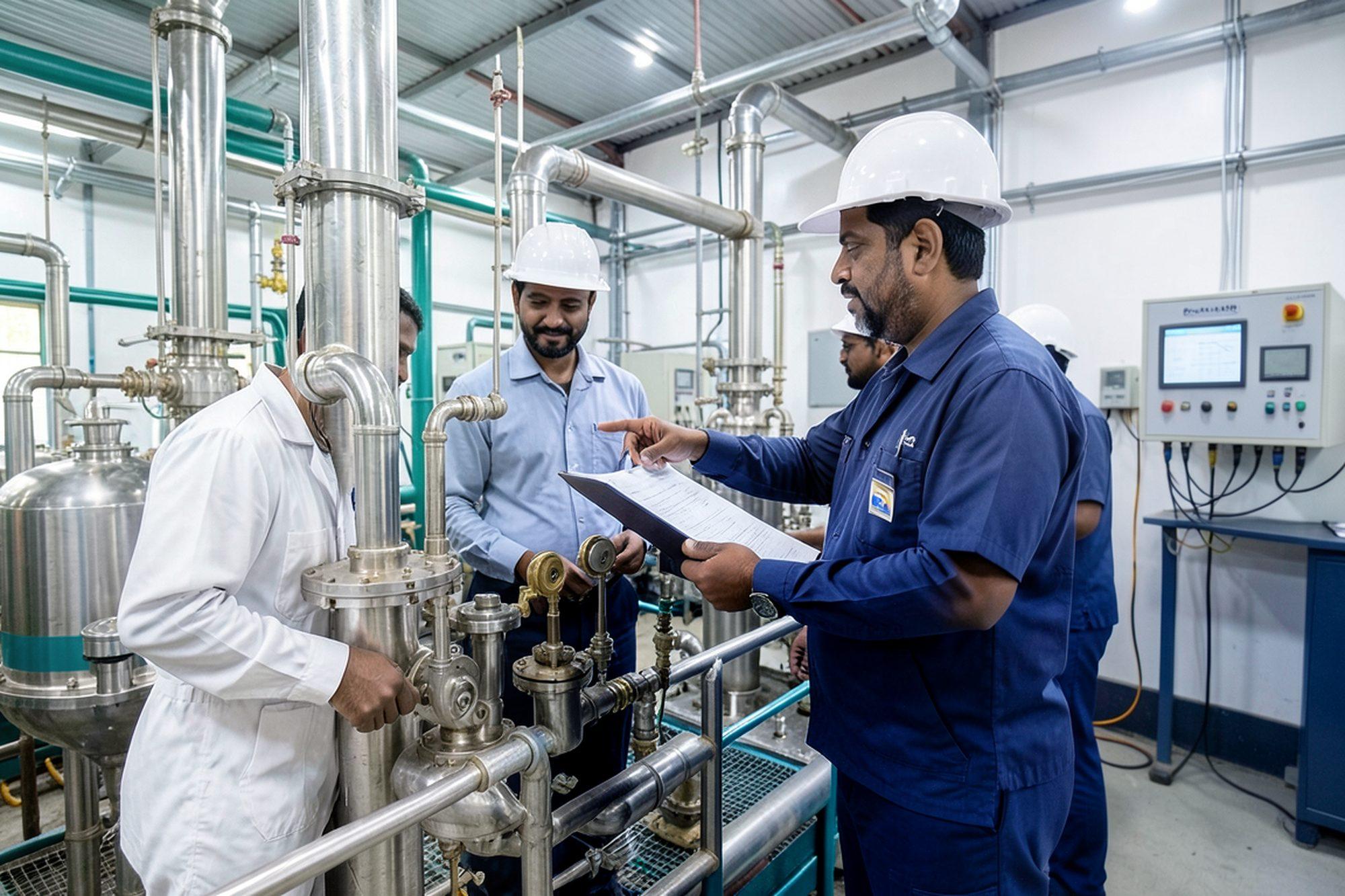
Engineers comparing installed equipment during facility qualification

Facility Mapping Before Qualification

Mapping identifies potentially suitable facilities. Qualification is a separate step: shortlisted options are evaluated against the agreed technical, quality, EHS, regulatory and operational requirements before selection.

Commercial Evaluation Beyond Conversion Price

A useful comparison considers the full cost structure, including raw materials, conversion, utilities, solvent recovery, waste and effluent, packing, logistics, campaign size, quality requirements and any required modifications.

Coordination Across Stakeholders

Chemical manufacturing projects often involve technical, production, quality, EHS, procurement and logistics decisions. Chemlyst can act as a coordinating interface for the agreed scope, helping align technical requirements, open issues, responsibilities and commercial next steps.

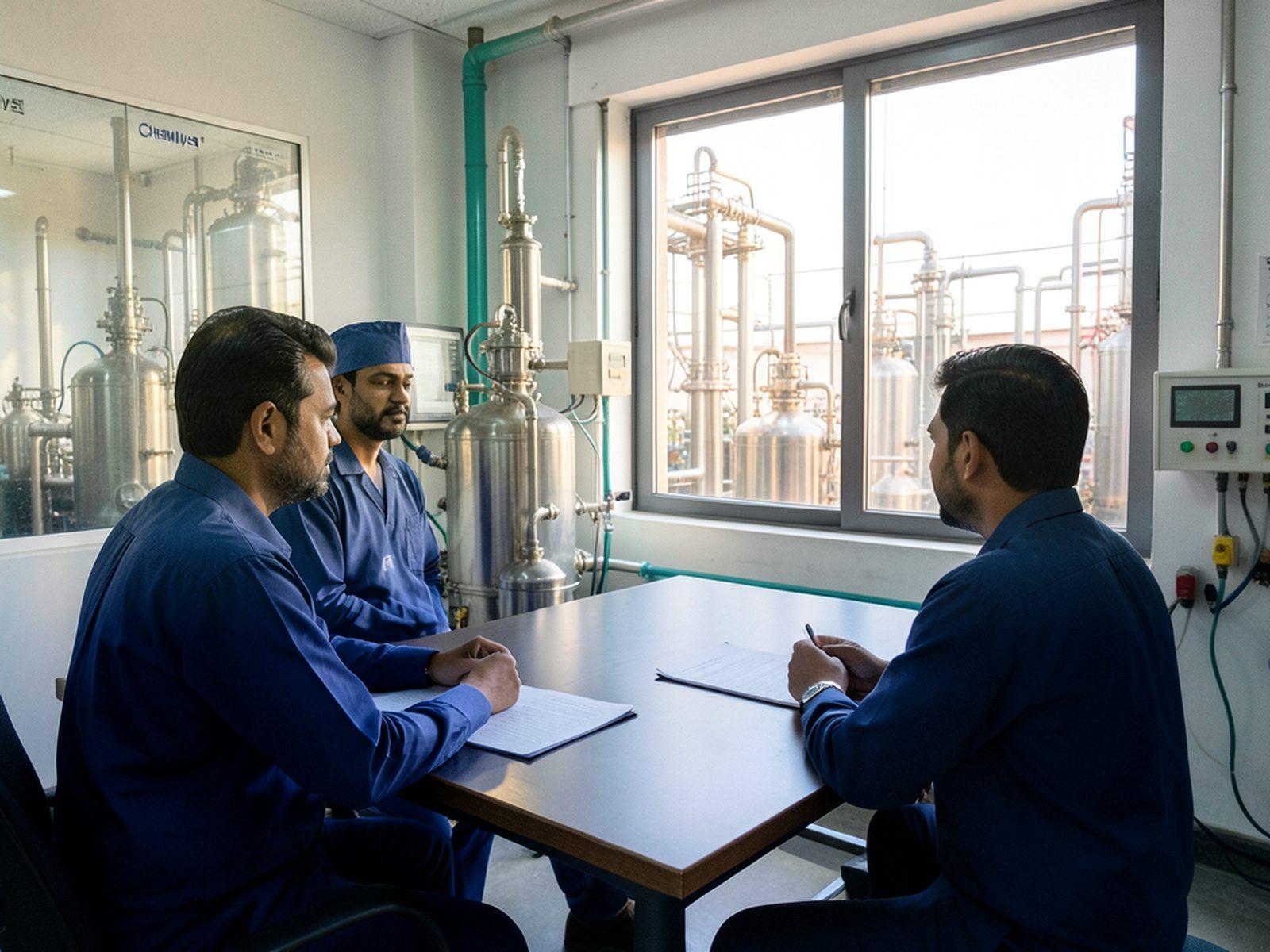
Closed technical documents in a plant office overlooking reactors

Confidentiality by Agreement

Product and process information should be exchanged under an agreed confidentiality framework, with access and onward sharing managed according to the applicable NDA and project arrangements.

Flexibility Without Unsupported Promises

A network approach can broaden the options considered for a project. The availability of alternatives, transferability of a process and continuity of supply depend on technical suitability, facility qualification, capacity, regulatory requirements and commercial agreement.

Customer problems we address

Global buyers often need to qualify India without losing technical control: matching a process to real equipment, agreeing quality and safety responsibilities, protecting IP, and building economics and logistics that survive audit and procurement review — not just initial price comparison.

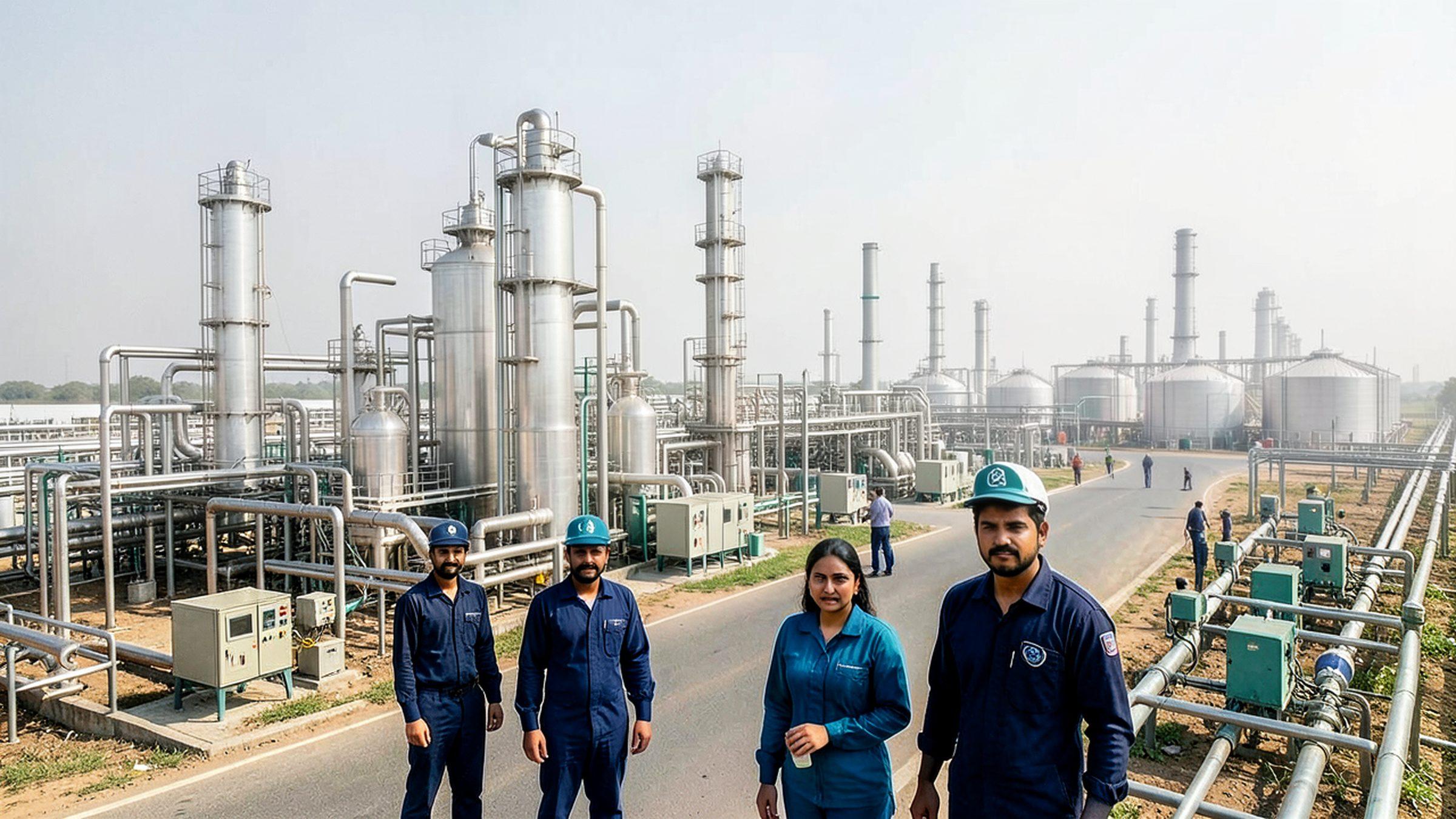
Several independent chemical plants in a Gujarat industrial estate

Network model and Chemlyst’s role

Manufacturing is executed at independently operated partner facilities selected for the project. Chemlyst evaluates fit, coordinates technical and commercial interfaces, and aligns documentation and campaign planning. Chemlyst does not own every asset in the network; published figures are an aggregated view of qualified partner capability, not a single plant.

Network coverage (partner regions)

Aggregated partner-network coverage in Gujarat. Nodes show cluster regions, not Chemlyst-owned plants.

Gujarat — live cluster map (select a region)

Markers are industrial-estate regions, not individual partner plants.

Ankleshwar

Manufacturing capability (aggregated)
8–10 facilities

How engagement works

  1. 1.Requirement
  2. 2.Screening
  3. 3.Facility mapping
  4. 4.Qualification
  5. 5.Commercial proposal
  6. 6.Trial / scale-up
  7. 7.Commercial execution

Mapping and qualification are separate steps — mapped sites are not automatically approved to manufacture.

Facility mapping → project qualification

  • Facility mapping

    Screen network against process needs

  • Shortlist screening

    Compare potential fits

  • Project qualification

    Agreed technical, quality, EHS and operational criteria

How engagement works

  1. Share a structured technical requirement (non-sensitive summary first).
  2. Technical assessment of chemistry, equipment, utilities and downstream needs.
  3. Facility mapping across partner sites — screening only, not final approval.
  4. Qualification of shortlisted sites against agreed scope, quality and safety.
  5. Commercial terms, documentation plan and production coordination.

Chemlyst vs approaching facilities independently

Buyer taskIndependent approachPotential Chemlyst valueCaveat
Initial screeningBuyer may need to identify and contact several sites individually.A single initial interface to define requirements and identify potential options across the network.Depends on the completeness and currency of Chemlyst's network/capability data.
Technical fitBuyer collects equipment, MOC, process and downstream capability information from each candidate.Use a structured requirement brief and comparison matrix to evaluate potential fit.Technical assessment does not replace detailed engineering, site audit or formal qualification.
QualificationBuyer coordinates its own site assessment, audits, document review and approvals.Chemlyst can coordinate agreed facility evaluation and track open actions.Define whether Chemlyst, the customer or a third party owns each approval and audit.
Commercial comparisonQuotes may use different assumptions and inclusions, making comparison difficult.Align assumptions and compare relevant cost drivers and commercial responsibilities.Do not promise the lowest price; state inclusions, exclusions and assumptions.
Project communicationBuyer may coordinate separate plant, quality, procurement and logistics contacts.One coordinating contact for the agreed Chemlyst scope, with named responsibilities.Only promise one interface if the actual team/process can support it.
Alternate capacityBuyer searches for alternatives independently if the initial option is unsuitable.Network may help identify alternative candidates for assessment.Alternatives are not automatically qualified, available or interchangeable.
ConfidentialityBuyer negotiates terms with each independent party and manages onward disclosure.Chemlyst can coordinate information exchange under agreed NDA and access rules.Must explicitly manage whether and when technical information is shared with partner facilities.

Buyer questions — direct answers

Mapping and qualification are separate steps; answers below describe how Chemlyst evaluates each topic.

  • Facility suitability

    Suitability is judged against your route: chemistry, MOC, pressure/temperature, utilities, downstream train and batch size — not geography alone. We document gaps and whether a shortlisted site can close them before manufacturing is proposed.

  • Quality expectations

    Specification, methods, sampling, in-process controls, release testing and batch records are agreed in writing before production. Equivalence to a Western reference site is demonstrated through data and audit scope — not assumed from ISO certificates alone.

  • Audits

    Customer or third-party audits can be discussed once a site is shortlisted and confidentiality is in place. Access, scope and timing depend on the partner site’s policies and your quality agreement — we coordinate scheduling; the site hosts the audit.

  • Confidentiality and IP

    NDA before detailed routes or specifications. Information is shared with partners only within the agreed disclosure list. Chemlyst does not claim ownership of your process; manufacturing IP remains as defined in your contract.

  • Scale-up

    Scale-up needs mass balance, heat removal, mixing, work-up and impurity profile at target batch size. We distinguish lab/pilot data from what is proven at commercial equipment and flag when additional trials are required.

  • Manufacturing economics

    We build economics from raw materials, yield, utilities, recovery, waste, QC, packaging and logistics. Labour is one line item; hidden conversion or waste costs are surfaced during assessment.

  • Process safety

    Screening identifies credible hazards and safeguard expectations. Formal studies are scoped to the process; execution responsibility is agreed with the site and specialists. We do not imply every partner has completed the same studies for your route until documented.

  • Alternate sourcing / single source

    The network model can support alternate qualified sites where chemistry allows. Dual sourcing is a project decision — we map options but do not guarantee interchangeable capacity without qualification.

  • Supply coordination

    Campaign planning, documentation, packaging and export paperwork are coordinated with your logistics and regulatory teams. Chemlyst is the technical/commercial interface; carriers, customs brokers and registrations remain your or your importer’s responsibility unless contractually assigned.

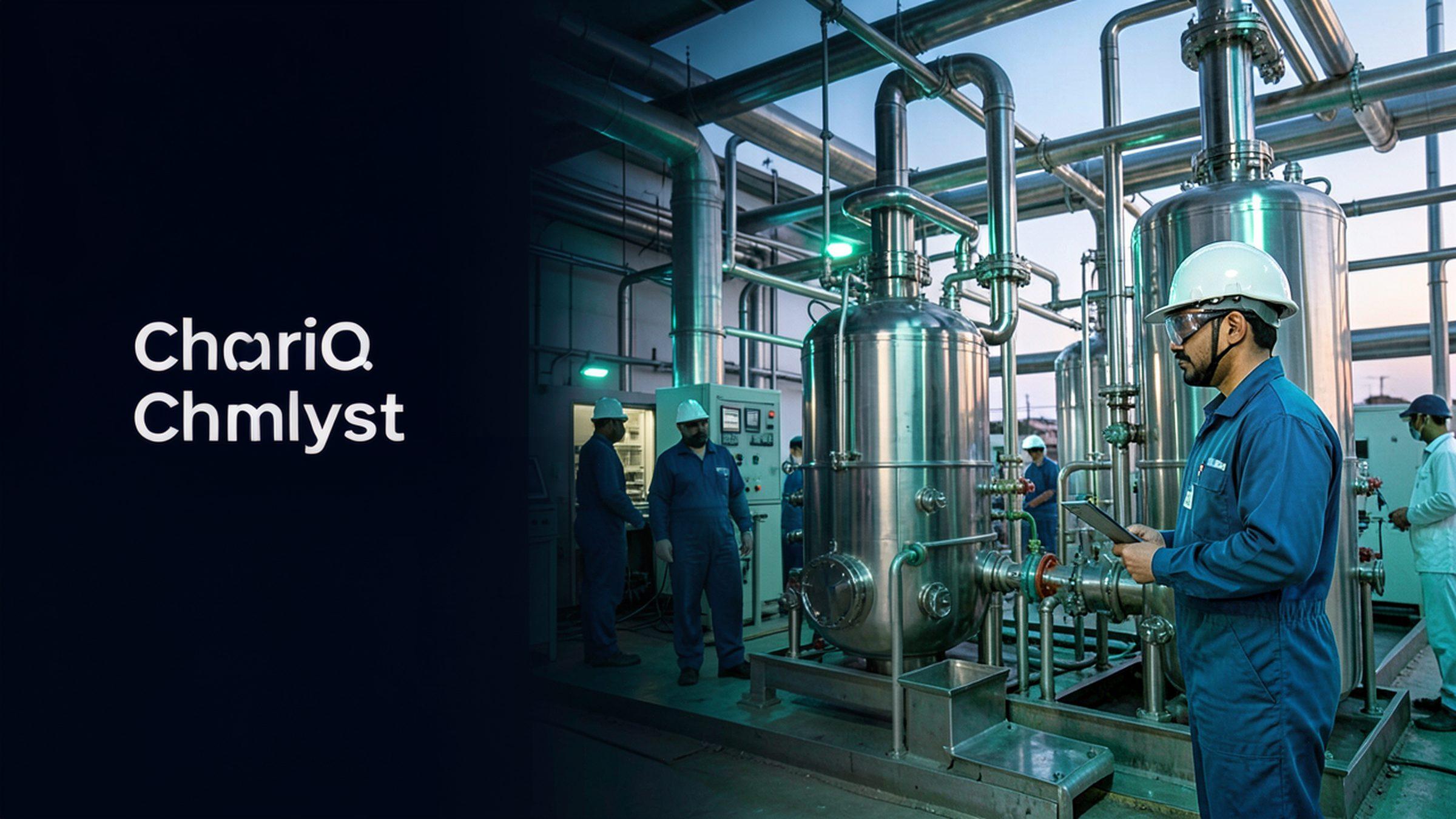
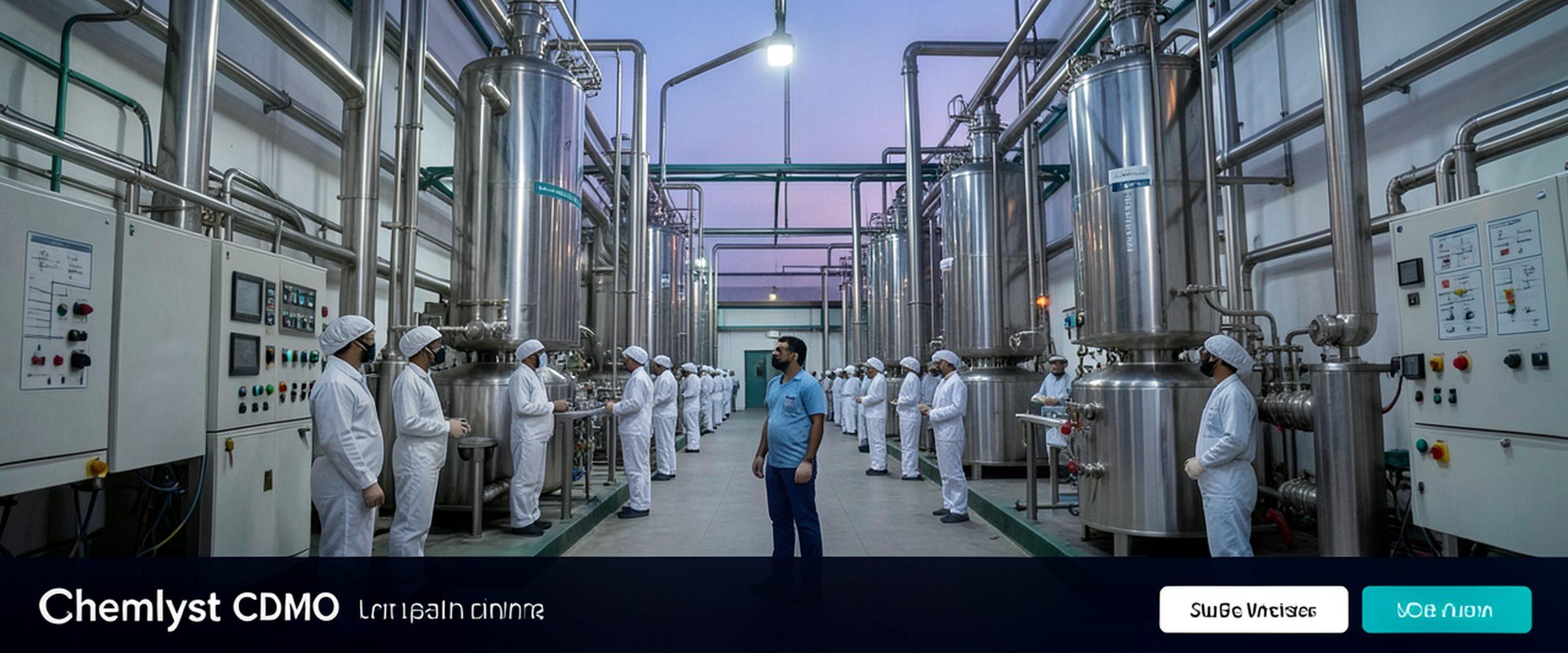
Reactor hall at dusk

The Right Molecule. The Right Manufacturing Fit.

Share your molecule, target specification, batch size, estimated annual demand and project timeline. Chemlyst will review the initial brief and identify the information needed to assess potential manufacturing options.

For location and ecosystem context, see Why India?.

Technical requirement (global RFQ)

NDA will be signed later. Submit the requirement now; detailed routes and formulations can follow once the NDA is in place. State volumes in MT/year or kg/batch; reactor working volume in L or KL where known. Use “unknown” where data is not yet available.

Company and contact

Product and project

Process and equipment

Timeline, confidentiality and files

NDA will be signed later.

Attachments up to 25 MB (PDF, DOC, DOCX, XLS, XLSX, JPG, PNG). Files sent through enquiry forms are used to evaluate your requirement. Retention and deletion follow agreed project terms and applicable law. To request deletion or an NDA before sharing sensitive data, email info@chemlist.com. NDA will be signed later.

Have a Molecule to Manufacture?

Share your product, process requirements and intended scale. Chemlyst will evaluate potential manufacturing options and the next steps required to assess suitability.