Ankleshwar
- Manufacturing capability (aggregated)
- 8–10 facilities
GLOBAL SUPPLY
India has an established chemical manufacturing base, with industrial clusters, process-engineering talent, supplier ecosystems and export infrastructure. For global buyers, the value depends on matching each molecule with the right manufacturing capability and verifying the requirements of the specific project.
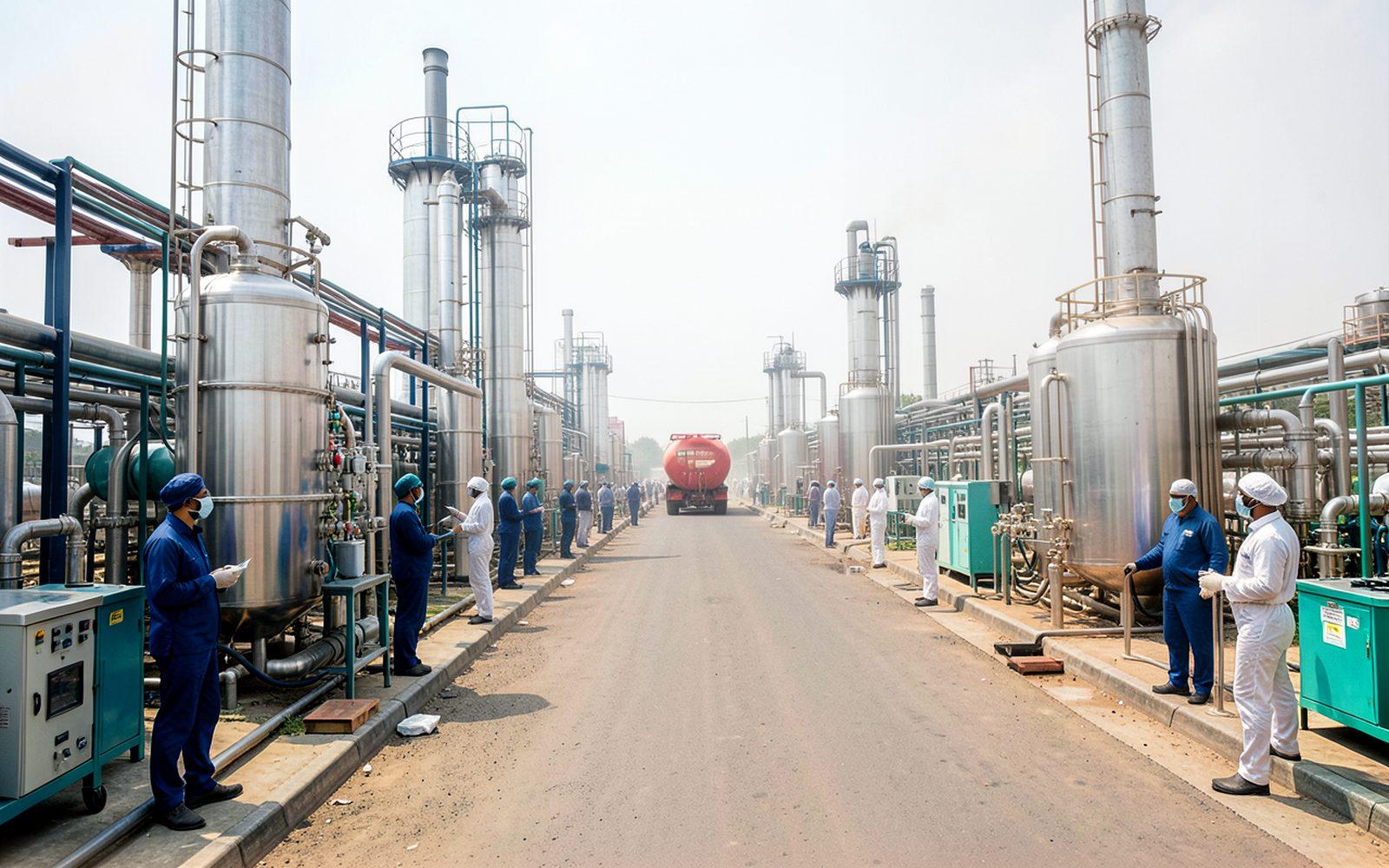
Chemical manufacturing clusters can provide access to complementary manufacturers, process services, utilities and logistics. The suitability of a location depends on the molecule, process and project requirements.
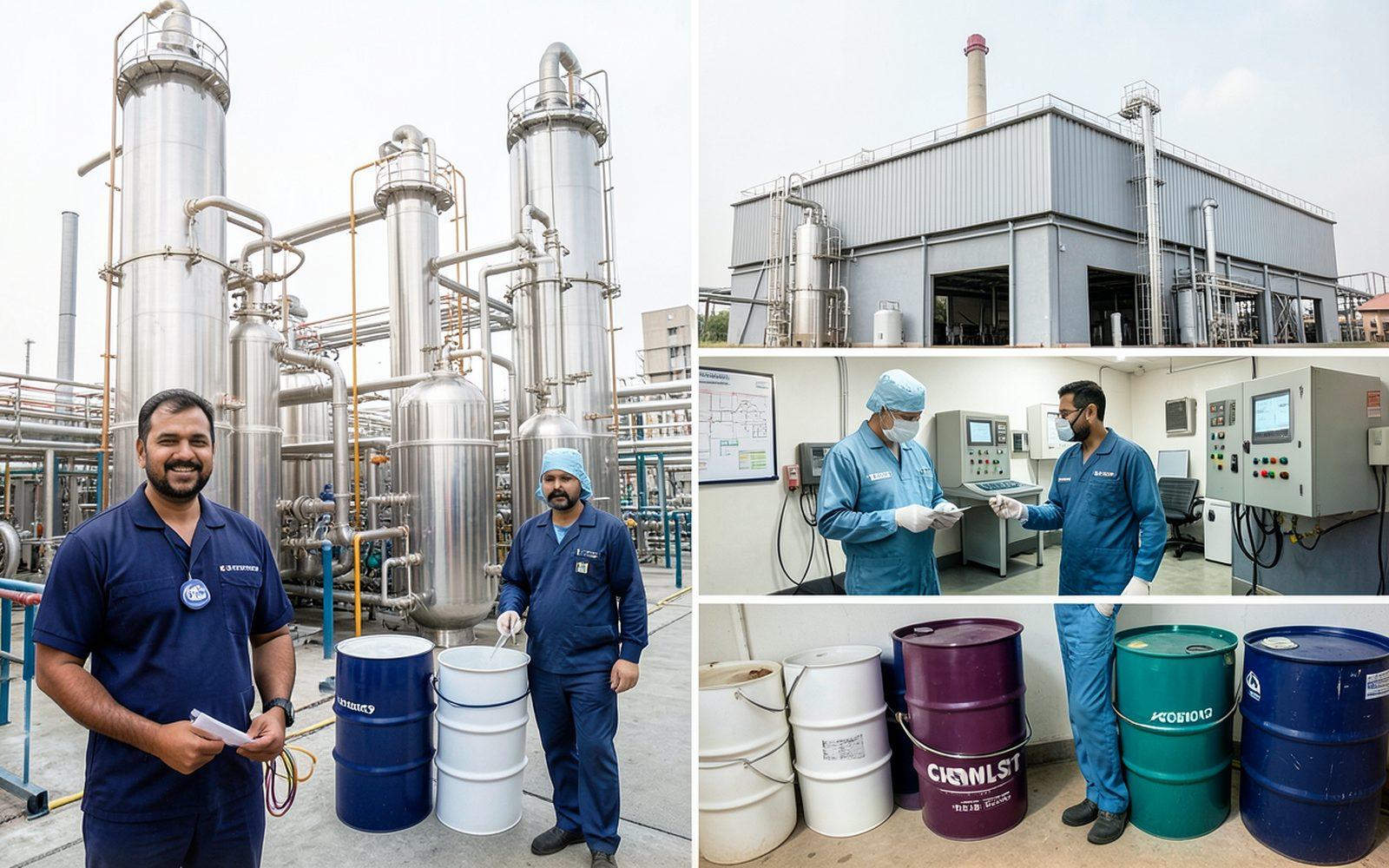
India’s chemical ecosystem includes suppliers and manufacturers of intermediates, solvents and other process inputs. Sourcing feasibility, lead times, import exposure and vendor qualification should be evaluated product by product.
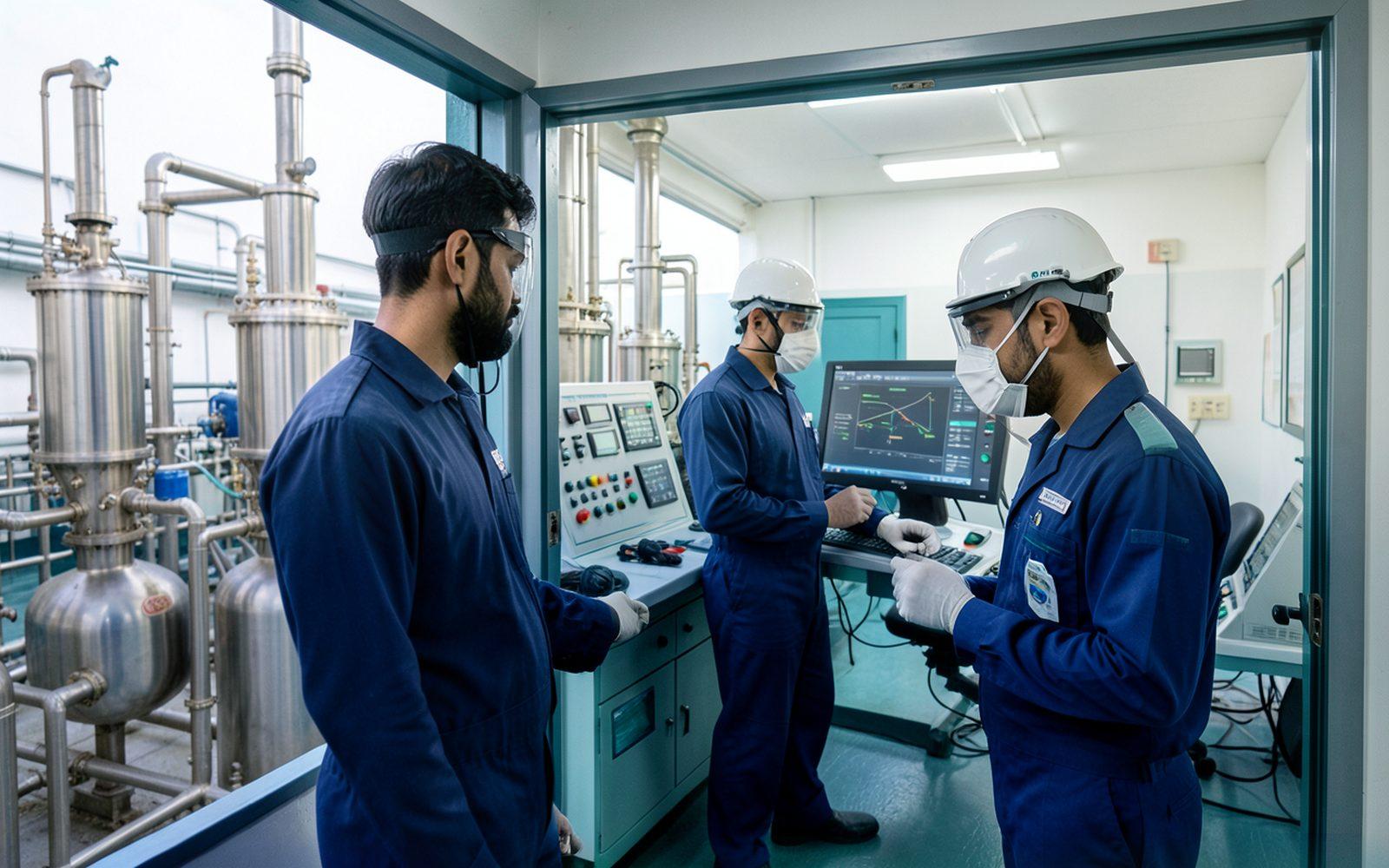
The established manufacturing base provides access to production, engineering, quality and EHS professionals. The required experience and technical resources should be confirmed for each proposed facility and process.
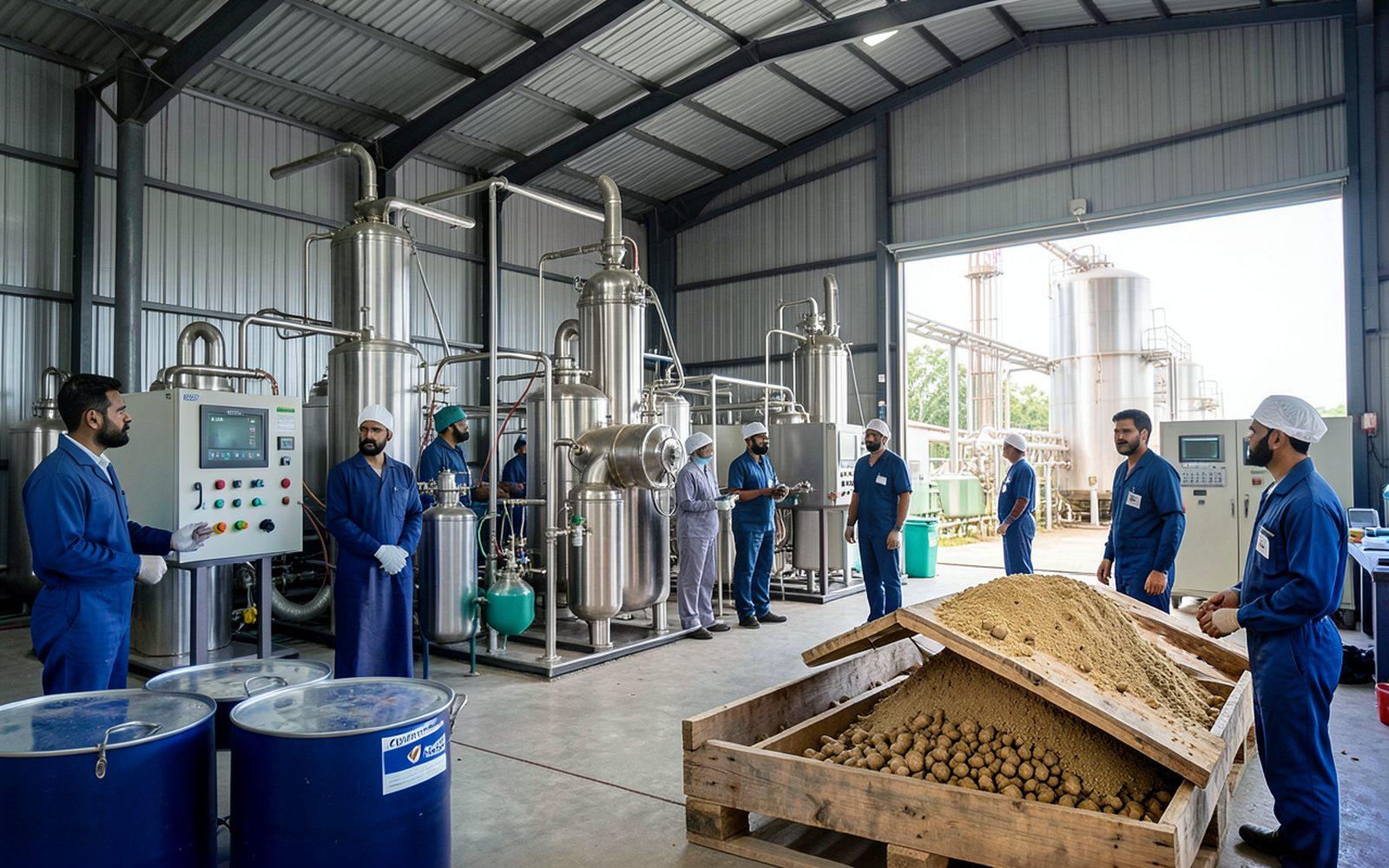
Existing assets and supplier ecosystems may support competitive total manufacturing economics. A meaningful comparison should include raw materials, conversion, utilities, solvent recovery, effluent and waste, packing, logistics, campaign size and any required modifications.
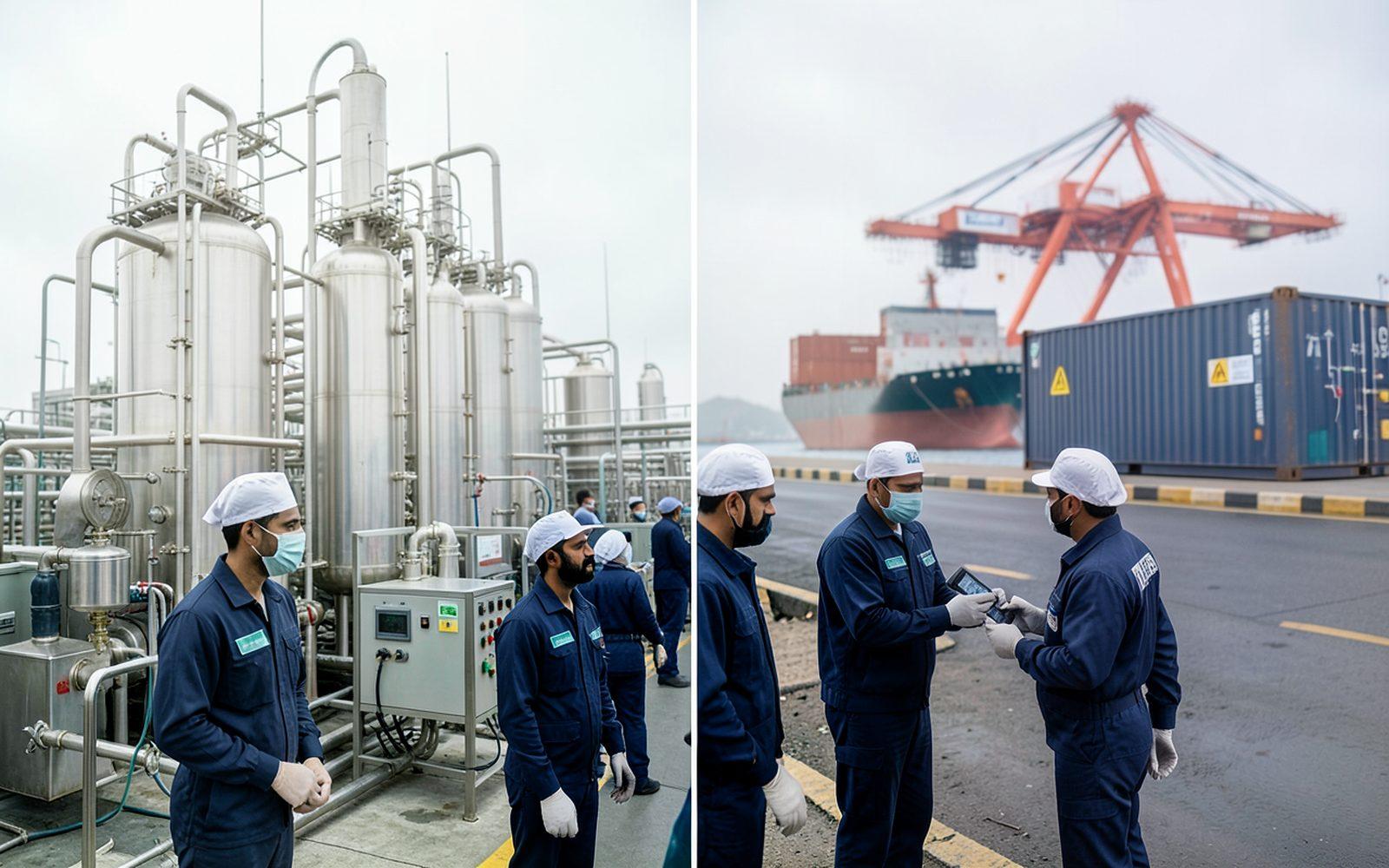
Major industrial regions connect to domestic transport networks and ports used by chemical supply chains. Route, packaging, regulatory documentation, dangerous-goods requirements, transit time and landed cost should be confirmed for each shipment.
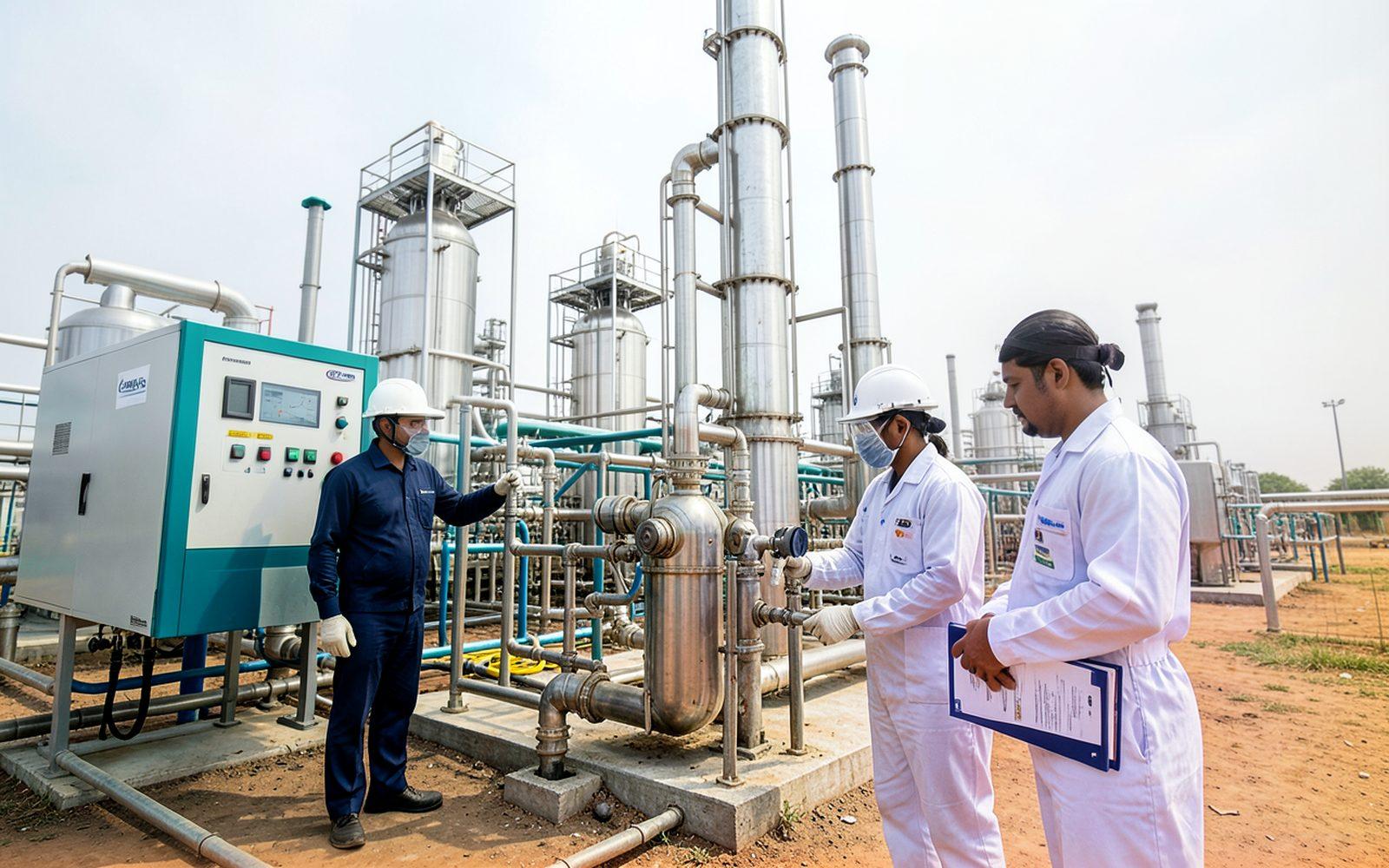
Environmental, health, safety and statutory requirements are part of manufacturing selection. Applicable permits, operating scope, EHS controls, quality systems and customer-specific requirements must be checked for the selected facility and product.
45+
Manufacturing sites (network-wide)*
1,000+
Reactors (network-wide)*
500 L – 25 KL
Indicative reactor range*
Network-wide figures reflect Chemlyst’s aggregated partner equipment register. Facility availability, working capacity and process suitability are confirmed for each proposed project.
Aggregated partner-network coverage in Gujarat. Nodes show cluster regions, not Chemlyst-owned plants.
Gujarat — live cluster map (select a region)
Markers are industrial-estate regions, not individual partner plants.
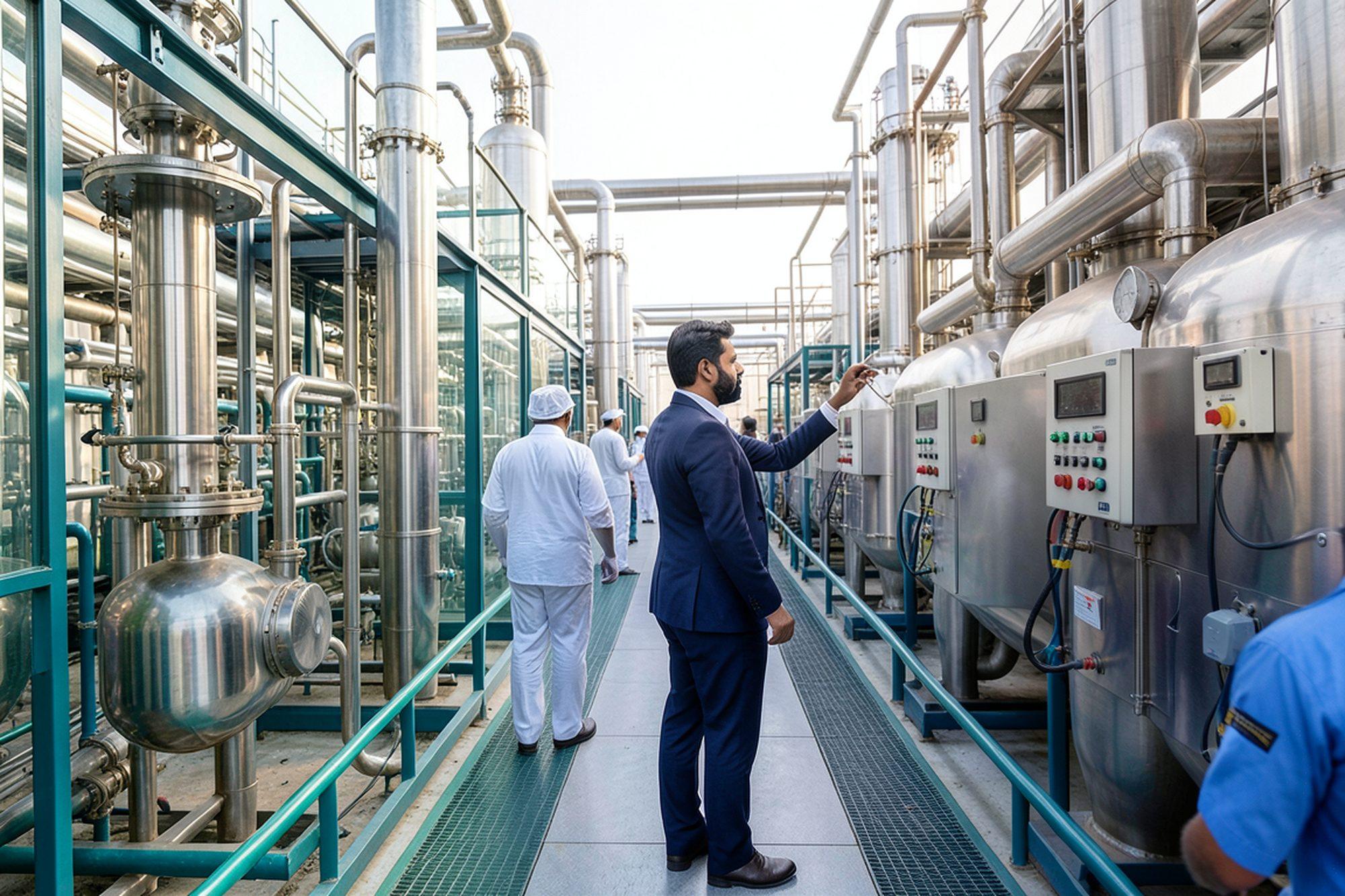
Chemlyst evaluates the requirements of the molecule and identifies potential manufacturing options across its network. The aim is not simply to locate an available reactor, but to assess process compatibility, equipment, utilities, downstream operations, EHS, quality, capacity and commercial fit.
Molecule-led screening criteria used before a facility is proposed.
Potential sites are mapped and screened first. Shortlisted facilities can then be assessed against agreed technical, quality, EHS, regulatory and operational criteria before a manufacturing decision is made.
Facility mapping
Screen network against process needs
Shortlist screening
Compare potential fits
Project qualification
Agreed technical, quality, EHS and operational criteria
One Technical Partner. Multiple Manufacturing Options.
Facts below support buyer education. They are not guarantees of export readiness, compliance or facility fit for your molecule.
India’s chemicals and petrochemicals sector (multiple HS chapters including 28, 29, 30, 31, 32, 38 and 39) is tracked in official trade statistics; FY 2024–25 export value for chemicals and chemical products excluding pharmaceuticals and fertilizers was reported at ₹3,92,770 crore in the Department of Chemicals and Petrochemicals statistical publication.
Source: Ministry of Chemicals and Fertilizers — *India Chem 2025* (Glance), Table 11 / sector export summary
Limitation: National totals mix many product classes; they do not prove export readiness or capacity for a specific agrochemical technical.
During October–December 2024, “Organic chemicals” (ITC-HS Chapter 29) was among India’s leading two-digit export commodity groups in DGCI&S merchandise trade statistics (quarterly review).
Limitation: Chapter-level data is not crop-protection-specific; facility qualification still required.
Gujarat Industrial Development Corporation (GIDC) states it has established 239 industrial estates in Gujarat, including sector-specific chemical estates with Gujarat Pollution Control Board clearance and environmental management infrastructure (effluent channels, CETPs and related estate services as described on GIDC’s estate advantages page).
Source: GIDC — Advantage of being in GIDC Estate (official)
Limitation: Estate availability does not imply suitability for a specific process; site qualification remains project-specific.
GIDC describes the Gujarat Petroleum, Chemical and Petrochemical Investment Region (PCPIR) as a delineated chemicals/petrochemicals investment region of about 453 sq km in Bharuch District, referenced alongside chemical estates and related port-terminal infrastructure in GIDC’s affiliated-organisations summary.
Source: GIDC — Useful Links / PCPIR summary (official)
Limitation: Regional planning material is not a permit, capacity guarantee or recommendation for any single manufacturing site.
Deendayal (Kandla) Port is a Government of India major port on Gujarat’s west coast; the port authority publishes information on port services and cargo handling used in India’s seaborne trade (including industrial and bulk commodities).
Source: Deendayal Port Authority — official port website
Limitation: Port capability does not replace product-level dangerous-goods classification, carrier selection or destination import rules.
Chemlyst evaluates facility fit case by case. For how we describe partner capability without publishing site identities, see the manufacturing network page.
Share your product, process requirements and intended scale. Chemlyst will evaluate potential manufacturing options and the next steps required to assess suitability.